
COLD-CRUCIBLE MELTING
17 images
Cold-Crucible Systems and Oxide Crystals
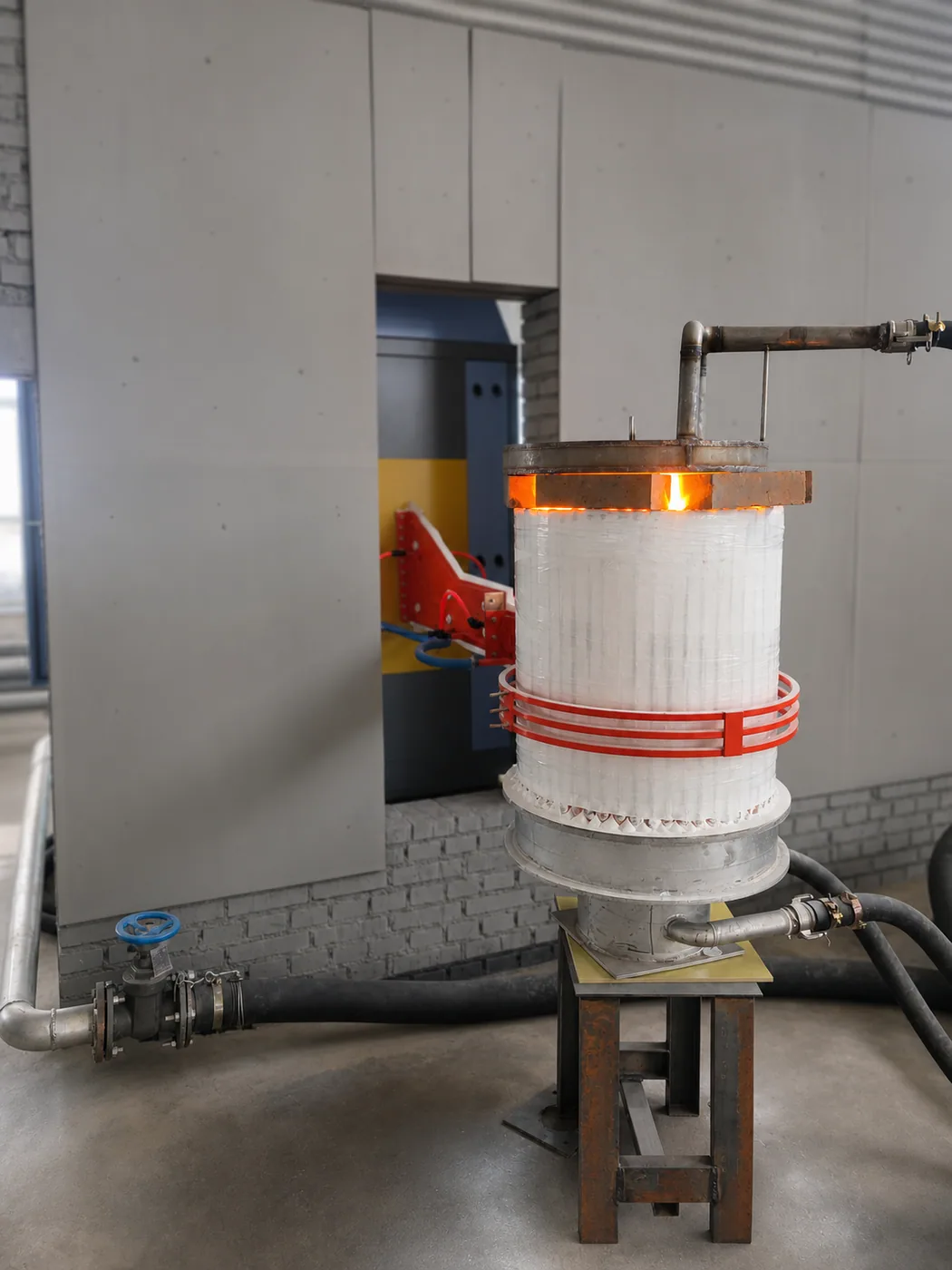
1 / 17Cold-crucible equipment onsite
 Julong Technology
Empowering Energy, Engineering Excellence

These images document real equipment installations and melting results. Select a thumbnail or use the arrow controls to browse each gallery.
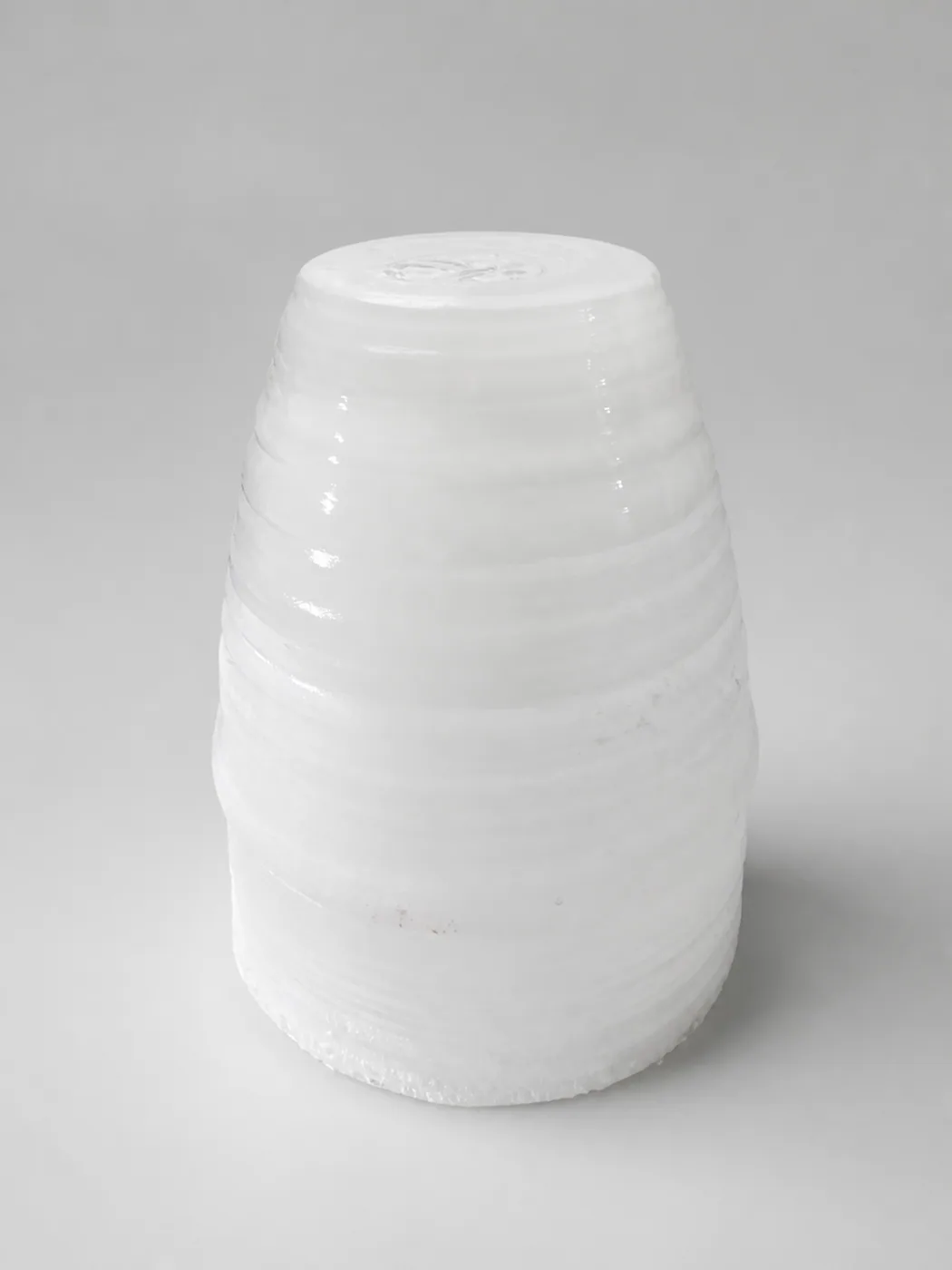
The information below is based on Julong's current technical proposals. Each system is engineered around the feed material, target process, throughput, site power, and cooling conditions. Final specifications are subject to the mutually confirmed technical agreement.
RF electromagnetic energy is coupled into the process gas to generate a stable high-temperature thermal plasma. Powder particles are rapidly heated and melted in flight, then driven toward a spherical shape by surface tension. The process is suited to spheroidization, densification, and other high-temperature treatment of refractory powders.
The RF coil transfers energy into the plasma zone by electromagnetic induction, without inserting a consumable electrode into the process zone. Power, process gas, feed rate, and reactor geometry can be matched to the specific material and treatment objective.
A complete system includes voltage regulation, step-up transformer, rectification and filtering, RF oscillator cabinet, incoming power cabinet, output inductor, power cooling, and an integrated control console. Gas, feeding, reactor, and powder collection units can be configured to suit the process.
Typical candidates include oxide ceramic powders such as alumina and zirconia, as well as refractory metal powders such as tungsten and molybdenum. Results depend on composition, particle-size distribution, feed stability, and the validated process window.
Power, cooling, and operation are centrally arranged for convenient power adjustment, status monitoring, and on-site control. The layout can be adapted to the plant and interfaced with feeding, reactor, and downstream processing modules.
RF induction heating, a water-cooled cold crucible, and electromagnetic stirring work together to melt high-temperature oxides cleanly. A protective solidified layer forms near the cooled wall, reducing direct contact between the melt and foreign refractory materials. This supports oxide melting processes with demanding purity and stability requirements.
SiC power modules form series-resonant inverter units within an AC–DC–AC conversion architecture. Modular inverter bridges, matching transformers, and the resonant tank provide power combining, impedance matching, electrical isolation, and RF output, enabling the platform to scale to higher power classes.
The system uses fixed-angle phase locking, upper/lower frequency loss-of-lock protection, per-bridge overcurrent protection, and electronic load matching. It also protects against abnormal inductor short/open conditions. PLC and touchscreen controls support remote operation, power adjustment, status monitoring, and fault diagnostics.
The complete line includes the RF melting power cabinet, closed soft-water cooling loop, lifting mechanism, operator console, inductor, and cold crucible. A water-to-water heat exchanger cools the power supply and inductor, while the cold crucible uses an independent cooling and emergency water-retention arrangement.
The equipment is intended for alumina, zirconia, and other high-melting-point oxides. For oxides with low electrical conductivity at ambient temperature, a material-specific ignition or start-melting method can establish the initial melt before RF electromagnetic heating and stirring sustain the process.
These values come from the current 300 kW technical proposal and illustrate one typical configuration.
Frequency, incoming power, crucible dimensions, cooling capacity, and site utilities for the 600, 800, 1200, and 2000 kW systems are determined separately from the material system and production target.
Our team can help define the suitable power class, process route, system scope, and site interfaces.